Branch

News

Rent-A-Container Is Transitioning to The Eagle Leasing Name

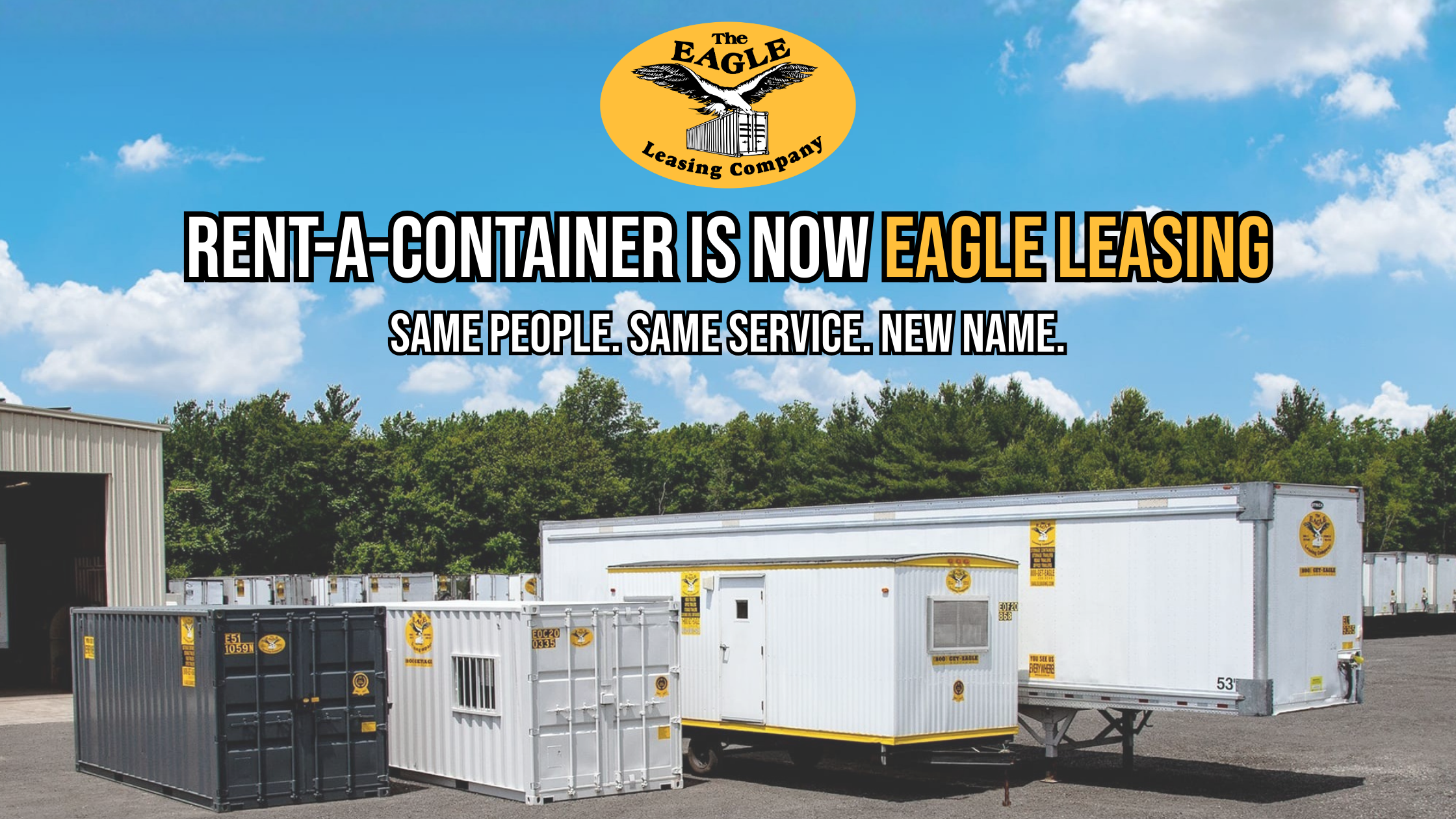
We’re excited to share important news: Rent-A-Container is officially transitioning to the Eagle Leasing name. What began in Ann Arbor, Michigan in 2017 has grown into a multi-market organization serving customers across the Midwest and along the East Coast. Through strategic partnerships and eight acquisitions — including the addition of Eagle Leasing in 2025 — we’ve steadily expanded our reach, fleet, and capabilities. This transition reflects the continued growth of our organization and the consolidation of our network under one unified brand: Eagle Leasing. Why the Change? Simply put: we’ve grown beyond just “renting containers.” Today, we operate as a larger, multi-market platform offering more than container rentals. In addition to storage containers, we provide mobile offices, semi-trailers, and related accessories — serving construction, logistics, retail, education, government, and commercial customers. The Eagle Leasing name carries nearly 60 years of brand equity and a strong reputation for quality and dependable service. Operating under one unified brand better represents who we are today and positions us for continued growth. What This Means for You While our name is changing, everything you rely on remains the same: There is no change in ownership, contracts, pricing, or operations. This is a brand alignment — not an operational change. Lead times, availability, and service levels remain unchanged. You will continue working with your same designated sales representative, and our dispatch and support teams remain in place. Frequently Asked Questions Will I be working with the same sales representative? Yes. Your designated sales rep will remain the same. Will invoices or payments change? Invoices may begin reflecting the Eagle Leasing name during the transition. However, payment terms, remittance instructions, and billing contacts remain the same unless otherwise communicated directly to you. What will happen to the Rent-A-Container website? The Rent-A-Container website and local market sites will remain live during the migration to Eagle Leasing’s website. There will be no interruption to customer access or communication. Customers will be able to request quotes through either website during the transition. Why am I receiving emails from an Eagle Leasing address? All employees have transitioned to Eagle Leasing email addresses. Any emails sent to former Rent-A-Container addresses will automatically forward and be received, so communication will not be disrupted. Why do I still see other logos on equipment? As we’ve grown through acquisitions, some equipment still carries legacy brand names. Those companies are now operating under the Eagle Leasing brand. You may continue to see names such as: Equipment decals, signage, marketing materials, and websites will transition gradually as part of a phased branding rollout. This does not impact your service, pricing, or agreements. Who should I contact if I have more questions? Please reach out to your designated sales representative or call us at: 1-800-GET-EAGLE A Stronger Platform Moving Forward Today, Eagle Leasing manages a fleet of more than 20,000 units serving construction, logistics, retail, education, government, and commercial customers across the Eastern United States and Midwest. We’re proud to bring that scale, strength, and long-standing reputation to every market we serve — while continuing to deliver the same dependable service you expect. Same Team. Same Service. One Unified Brand — Eagle Leasing. This transition marks an exciting new chapter for our organization, but our commitment to you remains unchanged. We appreciate your continued partnership and look forward to serving you under the Eagle Leasing name. Looking for more information? Click out the Business Wire press release here.

Read More »
News

Storage Solutions For Winter Jobsite Safety

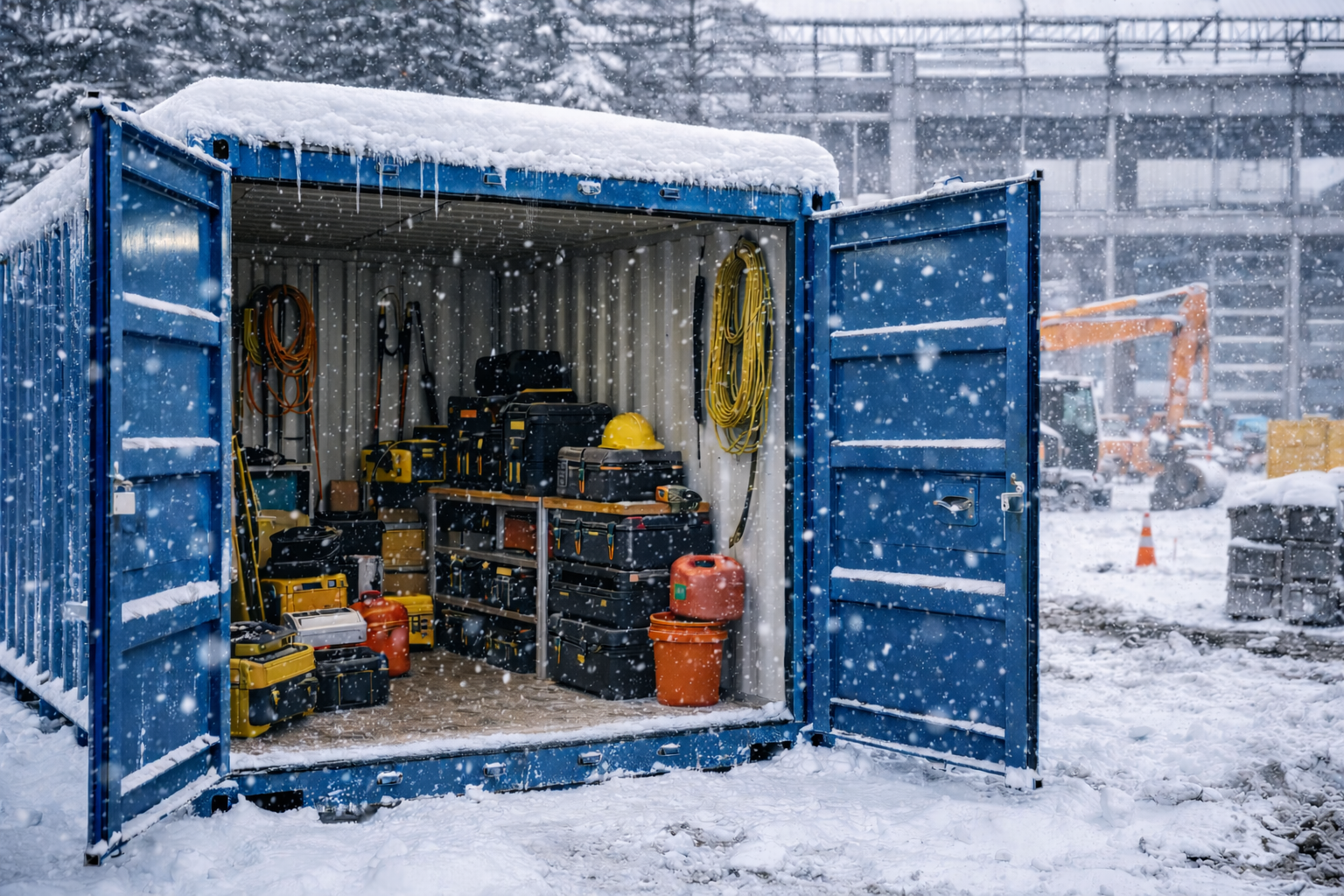
Winter weather creates some of the most hazardous conditions on a construction site. Snow, ice, freezing temperatures, and reduced daylight increase the risk of accidents, material damage, and costly delays. A safety-first storage strategy is one of the most effective ways to reduce jobsite risk during winter months. At Rent-A-Container, we help contractors prepare jobsites for winter by providing secure, weather-resistant storage solutions that support safer, more organized work environments—even in harsh conditions. Why Winter Jobsites Are Higher Risk Cold-weather conditions introduce challenges that aren’t present during warmer seasons. Common winter jobsite risks include: Slippery surfaces caused by snow and ice Poor visibility during shorter daylight hours Materials damaged by moisture or freezing temperatures Cluttered walkways due to limited outdoor staging space Increased injuries from rushed or unsafe material handling Without proper storage, these hazards can quickly lead to accidents, project delays, and compliance issues. How Storage Plays a Critical Role in Winter Safety Proper jobsite storage does more than protect materials—it directly impacts worker safety and site efficiency during winter. Keep Walkways Clear and Accessible When materials are left exposed or scattered across the site, snow and ice make them difficult to navigate around safely. Centralized storage containers reduce clutter and help maintain clear, designated walkways. Protect Materials From Winter Weather Freezing temperatures, snow, and moisture can damage tools, electrical components, and building materials. Enclosed storage containers keep supplies dry, secure, and ready for use, reducing the need for unsafe reorders or rushed replacements. Reduce Manual Handling in Hazardous Conditions Storing materials closer to where they’re needed limits unnecessary carrying across icy surfaces. This reduces slip-and-fall risks and helps crews work more efficiently in winter conditions. Looking for ways to prepare your storage container for winter? Check out this article from our partner’s at Eagle Leasing. Storage Strategies That Improve Winter Jobsite Safety A proactive approach to storage can significantly reduce winter-related risks. Effective safety-first strategies include: Using lockable containers to secure tools overnight (learn to properly lock containers here) Staging materials indoors or in covered containers before snowfall Clearly labeling storage zones to minimize time spent outdoors Adjusting storage placement as snow accumulates These strategies help crews spend less time navigating dangerous conditions and more time focused on productive work. Organization Supports Winter Safety Compliance Safety standards don’t change in winter—but risks increase. Organized jobsites make it easier to comply with OSHA requirements, conduct inspections, and maintain clear emergency access routes. Fewer hazards mean fewer incidents, fewer stoppages, and better overall project continuity. Rent-A-Container: Built for Winter Jobsite Safety Rent-A-Container storage solutions are designed to handle tough winter conditions. With durable construction and secure, enclosed designs, our containers help contractors protect materials, reduce clutter, and create safer jobsites throughout the coldest months of the year. For contractors already working with equipment partners like Eagle Leasing, adding reliable storage solutions helps create a more coordinated, safety-first jobsite plan during winter. Safety Starts With Storage Winter doesn’t have to mean increased risk. With the right storage solutions in place, contractors can reduce hazards, protect materials, and maintain safer jobsites—even in challenging weather. If you’re preparing for a winter project, start with safety-first storage. Rent-A-Container is ready to help you build safer, more organized jobsites all season long.

Read More »
How to Budget Temporary Storage Costs for 2026 Projects
News

How to Budget Temporary Storage Costs for 2026 Projects

As companies head into 2026, one thing is clear: projects are becoming more complex, timelines are tighter, and budgets are under greater scrutiny than ever. Whether you’re managing a construction site, planning a facility renovation, or preparing for seasonal inventory fluctuations, temporary storage costs for projects are often a critical—but underestimated—line item in project budgeting. Planning ahead for temporary storage costs can help prevent delays, reduce inefficiencies, and protect your bottom line. Here’s how to build smarter, more accurate storage budgets for your 2026 projects. Why Temporary Storage Matters in Project Budgeting Temporary storage isn’t just about having extra space—it’s about keeping projects moving. Without proper storage, materials can be damaged, misplaced, or delivered too early, leading to costly downtime. Including temporary storage early in your project budgeting process allows you to: Maintain cleaner, safer job sites Improve workflow efficiency Reduce material loss and reordering Avoid last-minute premium storage costs In short, storage is a strategic asset—not just a convenience. Key Factors That Affect Temporary Storage Costs Understanding temporary storage costs for projects is essential for creating accurate budgets and avoiding unexpected expenses in 2026. See factors below to keep in mind: 1. Container Size and Quantity Larger projects often require multiple containers or larger units. Choosing the right size upfront prevents overpaying for unused space—or scrambling for additional containers mid-project. 2. Rental Duration Longer timelines typically reduce monthly rates, while short-term or last-minute rentals may cost more. When budgeting, build in buffer time for potential delays so your storage plan stays flexible. 3. Delivery and Pickup Transportation costs can vary based on site access, distance, and whether containers need to be moved during the project. These logistics should always be included in your temporary storage costs. 4. Site Conditions Urban locations, limited access points, or uneven ground may require additional equipment or coordination, which can impact pricing. How to Build Temporary Storage into Your 2026 Budget Start Planning Earlier Than You Think Storage is often added late in the planning process—but early forecasting leads to better pricing and availability. As soon as material staging or overflow space is identified, storage should be part of the budget discussion. Align Storage With Project Phases Not every project phase requires the same amount of storage. Break your timeline into phases and plan container usage accordingly. This avoids paying for space you don’t need year-round. Plan for Flexibility Supply chain disruptions and weather delays aren’t going away in 2026. Budgeting for scalable storage—adding or removing containers as needed—helps protect against unexpected costs. Work With a Local, Reliable Partner A storage provider that understands your market can help you right-size your solution and avoid unnecessary expenses. Local service also means faster delivery, fewer delays, and better on-site support. Common Budgeting Mistakes to Avoid Underestimating project timelines, leading to unplanned extensions Overestimating container size, resulting in wasted spend Ignoring logistics costs, such as delivery or repositioning Treating storage as an afterthought, instead of a core project component Avoiding these mistakes can make a noticeable difference in overall project budgeting accuracy. Why Rent-A-Container Makes Budgeting Easier At Rent-A-Container, we work with project managers, contractors, and facility teams to deliver cost-effective temporary storage solutions that align with real-world project demands. Backed by the expanded resources and industry experience of Eagle Leasing, we offer transparent pricing, flexible rental terms, and dependable local expertise—serving projects across the East Coast and Midwest, with expanded coverage into the Northeast following the acquisition of Wayside Transportation Corp.—so there are no surprises when it comes to temporary storage costs. Whether you’re planning months in advance or need storage fast, our regional reach and responsive service help you stay on budget—and on schedule. Final Thoughts: Smarter Storage, Stronger Budgets in 2026 As project costs continue to rise, the most successful teams will be the ones that plan smarter—not just cheaper. By accounting for temporary storage early, understanding cost drivers, and building flexibility into your plan, you can create more resilient budgets for 2026 and beyond. If you’re starting to plan upcoming projects, Rent-A-Container is here to help you budget storage with confidence.

Read More »
Rent-A-Container acquires Wayside Trans. Corp. to expand New England portable storage solutions
News

Rent-A-Container Acquires Wayside Trans. Corp.

At Rent-A-Container, growth has always been about more than scale. It’s about partnering with companies that share our values, our customer focus, and our commitment to quality. That’s why we’re proud to announce that Rent-A-Container acquired Wayside Trans. Corp., a respected New England provider with more than 90 years of industry experience. This acquisition marks an exciting next step in our Northeast expansion. It also reinforces our long-term commitment to people, craftsmanship, and customer-first service. Welcoming a Legacy New England Business to the RAC Family Founded in 1933 and headquartered in Peabody, Massachusetts, Wayside Trans. Corp. is a multi-generational, woman-owned business. The company has built a strong reputation for creativity, reliability, and technical expertise. For decades, Wayside has served customers across Massachusetts, New Hampshire, and New Jersey. The team delivers custom shipping containers, offices, trailers, and portable storage solutions. What truly sets Wayside apart is its hands-on approach. The company employs in-house carpenters, welders, electricians, plumbers, and mechanics. This structure allows Wayside to deliver highly customized solutions beyond standard container offerings. That craftsmanship aligns seamlessly with the way we do business at Rent-A-Container. Strengthening Our Northeast Platform By bringing Wayside into the Rent-A-Container family, we’re deepening our regional density in New England and expanding our ability to provide fast, reliable, and highly customized solutions across the Northeast. As Michael Ferrantino, our Director of Mergers & Acquisitions, shared: “Wayside’s long history of service excellence and highly skilled team make it a perfect addition to our Northeast platform. This acquisition enhances our ability to deliver best-in-class service to customers across New England.” For customers, this means greater access to resources, expanded capabilities, and the same trusted service they’ve come to expect — now backed by the scale and support of a national organization. A Shared Commitment to People and Customers One of the most important aspects of the transaction as Rent-A-Container acquires Wayside Trans. Corp. is continuity. The majority of Wayside employees will remain with the combined company, ensuring that customers continue working with the same experienced teams they know and trust. Wayside CEO Molly E. Kelley captured the spirit of the partnership perfectly: “For over 90 years, Wayside has taken pride in delivering creative, dependable solutions to our customers. Partnering with Rent-A-Container allows us to continue that legacy while gaining the support and resources of a scaled national organization.” At RAC, we believe the best growth happens when great people stay empowered to do what they do best — and this acquisition reflects that philosophy. Continuing to Grow with the Right Partners Wayside Trans. Corp. joins a growing family of Rent-A-Container brands, including Eagle Leasing, A-1 Portable Storage, Stuff-It Storage, Fortin Modular Storage, and Kelcon. Together, we manage a fleet of more than 25,000 shipping containers, trailers, and ground-level offices, offering customers nationwide reach with a local-service mindset. As we look ahead, we remain actively interested in partnering with high-quality portable storage operators who share our dedication to operational excellence and customer service. If you’re interested in discussing your business or portable storage assets, we welcome the conversation. Reach out to: Michael Ferrantino Director of Mergers & Acquisitions Rent-A-Container [email protected] 

Read More »
News

Where Can You Place a Shipping Container?

How-To: Site Assessment for Placement Renting or buying a shipping container is the easy part. Figuring out where you can legally place it? That takes a little more planning. Whether you’re using your container for storage, a jobsite office, or a retail pop-up, understanding the local rules will save you from fines, delays, or a last-minute scramble to relocate. ⚠️ Disclaimer: This article is for informational purposes only and does not constitute legal advice. Rules vary by city, county, and state. Always consult your local zoning or permitting office for the most accurate and up-to-date regulations before placing a container. Step 1: Understand Local Zoning Laws Before placing any container, your first call should be to your local zoning or building department. Every municipality has its own set of regulations—and they can differ dramatically. Knowing where you can legally place a shipping container begins with these questions: Do I need a permit to place a shipping container? Are there restrictions on how long it can remain on-site? Can I place it on residential, commercial, or industrial property? Does it need to be screened, fenced, or meet visual standards? Are setback rules in place (distance from buildings or lot lines)? Will public access or signage rules apply? Some towns allow temporary container placement without permits for up to 90 days. Others require formal applications and inspections—especially for containers used as offices. 👉 Refer to your city’s website or local permitting office for specific container placement requirements. Step 2. Site Assessment: Is It Safe and Legal to Place a Container Here? Once you know what’s allowed, assess your delivery site to ensure it’s safe, accessible, and compliant. Key On-Site Questions: Is the ground surface firm and level (gravel, asphalt, or concrete)? Are there overhead obstructions (power lines, trees)? Can a 40–60 foot delivery truck safely access and turn? Will the container block driveways, fire lanes, or access roads? Are you maintaining required setbacks and easements? Learn how our partners at Eagle Leasing navigate difficult locations in their blog on tight jobsite container delivery. Step 3: Respect Setback & Utility Guidelines Even if your local laws tell you where you can legally place a shipping container, you’ll still need to follow specific setback rules and keep utility access clear. Common examples (which vary by location, check with local requirements): 5–10 feet from a permanent structure 5 feet from a property line 15 feet from roads or sidewalks Avoid blocking utility access, hydrants, or emergency paths If unsure, ask your municipality or utility provider before placing your container. Bonus: Planning to Use A Shipping Container Office? If you are planning on using a shipping container office, trailer alternative, or customer-facing space, check with your local authority about: Temporary structure or building permits Zoning classification for the intended use ADA (Americans with Disabilities Act) accessibility requirements Electrical or HVAC inspections We’ve helped customers navigate these questions before—let us know how we can support your project. ✅ Final Thoughts When it comes to container placement, the most important step is confirming local laws before placing your order. Every city, town, and county has different rules—and while we’re here to help, your local officials have the final say. 📞 Need assistance reviewing placement options or prepping your site?Reach out to Rent-A-Container and we’ll help you plan a smooth delivery based on your town’s guidelines and your site’s layout.

Read More »
Uncategorized

Industries Using Container Rentals to Save Time and Money

In a world where time is money, more businesses are looking for fast, flexible solutions to store, organize, or expand their operations on-site. That’s why industries using container rentals are gaining an edge. From education and hospitality to construction and logistics, companies are relying on portable storage and mobile office containers to reduce downtime, avoid costly construction delays, and keep projects moving. In this article, we’ll explore five industries saving time and money with container rentals—and how your team might benefit too. 1. Education   Schools, universities and training centers often face tight timelines: renovation projects, seasonal equipment storage, or expansion needs. By using container rentals, educational institutions can secure additional space quickly—without the long lead times of traditional construction. For instance, containers serve as storage for athletic gear, maintenance tools or mapped‑out classrooms. 2. Hospitality & Special Events The hospitality sector and event‑driven businesses live in high‑tempo, variable environments. Whether it’s extra storage for seasonal furniture, mobile guest services, or quick setups for special events, container rentals deliver speed and reliability. They enable operations to scale up—or down—without sinking into long‑term real estate commitments. 3. Construction & Contracting Containers have long been a staple on job sites—so it’s no surprise construction and contracting firms feature prominently. With container rentals, site managers get secure tool/equipment storage, modular jobsite offices, and flexible roll‑ons/roll‑offs that match project phases. They save time: less waiting for traditional build‑outs, more focus on moving materials and crews. 4. Retail & Seasonal Inventory Retailers face major storage fluctuations especially during peak seasons. Container rentals give retail operations the ability to add on‑site storage for overflow stock, promotional displays, or seasonal décor without leasing additional warehouse space. Using containers in this way reduces handling time, simplifies inventory logistics, and frees up indoor real‑estate for customer‑facing operations. Check out our blog post on retailer storage during the holiday season for more information on this! 5. Manufacturing, Logistics & Warehousing In manufacturing and logistics, storage, staging and inventory turnover are constant challenges. Container rentals offer a scalable storage footprint, close‑in staging zones, and quick reconfiguration as production or shipping needs shift. Whether you’re storing components, finished goods, or temporary overflow, containers help avoid delays and keep workflow moving. Why These Industries Choose Container Rentals Across these sectors, a few common themes emerge: Speed & responsiveness: Containers can be delivered and set up faster than traditional storage or construction solutions. Flexibility: Whether it’s short‑term rental for an event, seasonal inventory, or a project phase, containers adapt easily. Cost avoidance: Rather than invest in permanent space or long‑term lease commitments, container rentals let you pay for what you need, when you need it. On‑site convenience: Having storage or workspace right on the job or campus avoids moving goods off‑site, saving labor and transport time. Durability & security: Containers are inherently built for harsh conditions and secure storage—attributes that translate well into non‑maritime industries. Planning Your Next Container Rental If you’re considering container rentals for your operation: Define your specific use case (storage, workspace, staging). Estimate the duration required (project length, seasonal peak, event timeframe). Choose the right size and configuration (20′, 40′, high‑cube, or shipping container office) Consider site logistics (delivery access, surface, permits). Factor in timing—the sooner you reserve, the better the availability. Final Thoughts Container rentals are more than just a storage unit—they’re strategic tools for industries that move fast, demand flexibility, and value on‑site presence. Whether you’re in education, hospitality, construction, retail or logistics, containers can unlock time savings, cost efficiencies and operational agility. If you’d like help determining the right container size, rental period or delivery logistics, contact Rent‑A‑Container today. And for sector‑specific ideas, visit Eagle Leasing’s page to see how containers support your industry.

Read More »