

As companies head into 2026, one thing is clear: projects are becoming more complex, timelines are tighter, and budgets are under greater scrutiny than ever. Whether you’re managing a construction site, planning a facility renovation, or preparing for seasonal inventory fluctuations, temporary storage costs for projects are often a critical—but underestimated—line item in project budgeting.
Planning ahead for temporary storage costs can help prevent delays, reduce inefficiencies, and protect your bottom line. Here’s how to build smarter, more accurate storage budgets for your 2026 projects.
Why Temporary Storage Matters in Project Budgeting
Temporary storage isn’t just about having extra space—it’s about keeping projects moving. Without proper storage, materials can be damaged, misplaced, or delivered too early, leading to costly downtime.
Including temporary storage early in your project budgeting process allows you to:
-
Maintain cleaner, safer job sites
-
Improve workflow efficiency
-
Reduce material loss and reordering
-
Avoid last-minute premium storage costs
In short, storage is a strategic asset—not just a convenience.
Key Factors That Affect Temporary Storage Costs
Understanding temporary storage costs for projects is essential for creating accurate budgets and avoiding unexpected expenses in 2026. See factors below to keep in mind:
1. Container Size and Quantity
Larger projects often require multiple containers or larger units. Choosing the right size upfront prevents overpaying for unused space—or scrambling for additional containers mid-project.
2. Rental Duration
Longer timelines typically reduce monthly rates, while short-term or last-minute rentals may cost more. When budgeting, build in buffer time for potential delays so your storage plan stays flexible.
3. Delivery and Pickup
Transportation costs can vary based on site access, distance, and whether containers need to be moved during the project. These logistics should always be included in your temporary storage costs.
4. Site Conditions
Urban locations, limited access points, or uneven ground may require additional equipment or coordination, which can impact pricing.
How to Build Temporary Storage into Your 2026 Budget
Start Planning Earlier Than You Think
Storage is often added late in the planning process—but early forecasting leads to better pricing and availability. As soon as material staging or overflow space is identified, storage should be part of the budget discussion.
Align Storage With Project Phases
Not every project phase requires the same amount of storage. Break your timeline into phases and plan container usage accordingly. This avoids paying for space you don’t need year-round.
Plan for Flexibility
Supply chain disruptions and weather delays aren’t going away in 2026. Budgeting for scalable storage—adding or removing containers as needed—helps protect against unexpected costs.
Work With a Local, Reliable Partner
A storage provider that understands your market can help you right-size your solution and avoid unnecessary expenses. Local service also means faster delivery, fewer delays, and better on-site support.
Common Budgeting Mistakes to Avoid
-
Underestimating project timelines, leading to unplanned extensions
-
Overestimating container size, resulting in wasted spend
-
Ignoring logistics costs, such as delivery or repositioning
-
Treating storage as an afterthought, instead of a core project component
Avoiding these mistakes can make a noticeable difference in overall project budgeting accuracy.
Why Rent-A-Container Makes Budgeting Easier
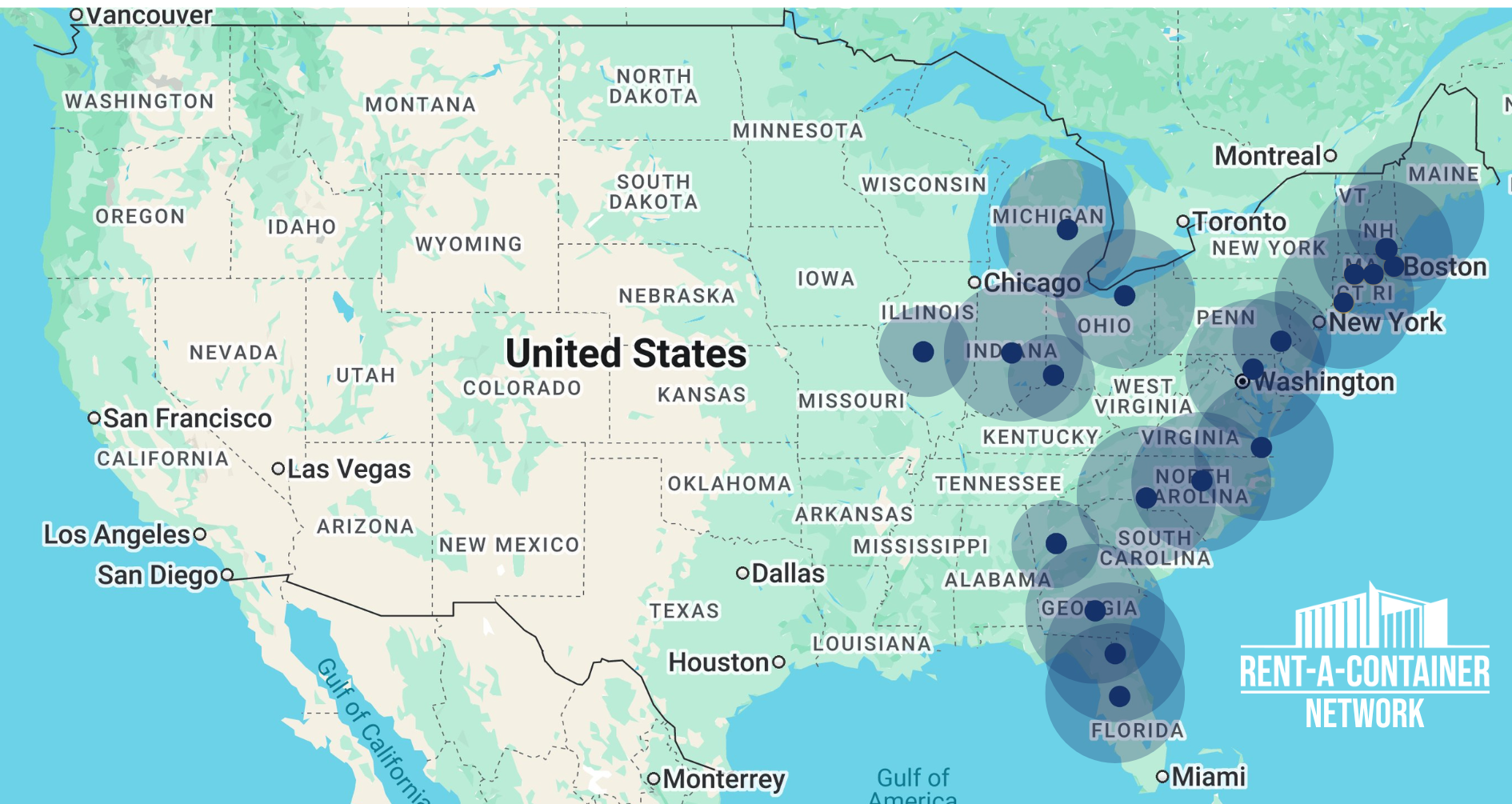
At Rent-A-Container, we work with project managers, contractors, and facility teams to deliver cost-effective temporary storage solutions that align with real-world project demands. Backed by the expanded resources and industry experience of Eagle Leasing, we offer transparent pricing, flexible rental terms, and dependable local expertise—serving projects across the East Coast and Midwest, with expanded coverage into the Northeast following the acquisition of Wayside Transportation Corp.—so there are no surprises when it comes to temporary storage costs.
Whether you’re planning months in advance or need storage fast, our regional reach and responsive service help you stay on budget—and on schedule.
Final Thoughts: Smarter Storage, Stronger Budgets in 2026
As project costs continue to rise, the most successful teams will be the ones that plan smarter—not just cheaper. By accounting for temporary storage early, understanding cost drivers, and building flexibility into your plan, you can create more resilient budgets for 2026 and beyond.
If you’re starting to plan upcoming projects, Rent-A-Container is here to help you budget storage with confidence.